



智慧財產權(IP)估值
釋放無形資產的真正價值已不再只是一項會計工作。創新型企業越來越意識到,利用其智慧財產權來實現策略性增長、融資和競爭優勢的潛力。
智慧財產權(IP)的管理與估值已成為全球商業日益重要的環節。對於許多創新驅動型企業(特別是在生物科技、電子和科技領域)而言,專利、商標和版權等智慧財產權是其最具價值的資產。然而,由於缺乏傳統的實體抵押品,這些企業經常面臨「融資缺口」。
在大華國際(香港),我們的交易與估值業務團隊提供全面且獨立的智慧財產權估值服務,助企業更輕鬆地釋放資金、維持穩健的合規框架,並有效應對各項企業交易。
駕馭香港的智慧財產權融資沙盒
香港的金融環境正在迅速發展以支援創新。2025年12月,香港金融管理局(金管局)聯同商務及經濟發展局(商經局)及知識產權署,推出了「智慧財產權(IP)融資沙盒」。此項舉措為銀行、估值師和中小企業提供了一個風險可控的環境,以測試以智慧財產權作抵押的借貸安排。
此外,隨著政府提出「專利估值支援先導計劃」,合資格的中小企業將獲得龐大的財務資助,以委託專業的智慧財產權估值服務。大華國際(香港)已作好充分準備,全力協助企業善用這些政府措施,在創新型中小企業與參與融資機構之間擔當起關鍵的信任橋樑。
在為期兩年的「專利估值資助計劃」下,符合資格的香港中小企可獲最高港幣80,000元的配對資助,以支付專利估值服務費用。申請企業須持有至少一項經實質審查後獲授權的專利,而透過原授專利制度(Original Grant Patent)獲批香港標準專利的持有人將獲優先考慮。該計劃旨在協助企業更有效評估及釋放其知識產權價值,為融資、商業合作、技術轉讓及業務發展提供支持。
我們的智慧財產權估值服務
我們與各行各業的企業合作,將其構想複雜且「無形」的價值,轉化為銀行、投資者和監管機構所信賴的清晰貨幣表徵。我們的智慧財產權估值服務涵蓋以下四大核心領域:
-
智慧財產權融資估值: 提供獨立且獲普遍認可的估值報告,專門旨在滿足參與「智慧財產權融資沙盒」之銀行的信貸評估要求。
-
併購與交易: 無論您是籌集發展資金還是成立合資企業,我們的專家團隊都會對技術、品牌資產和客戶關係進行公允價值評估,以實現交易價值最大化。
-
財務報告與稅務合規: 我們為財務報告(例如購買價格分攤、減值測試)提供穩健的估值服務,嚴格符合香港交易所上市規則、證監會指引以及國際會計準則。
-
訴訟與爭議解決: 憑藉我們的專家證人經驗,我們為涉及智慧財產權的股東糾紛、家事案件及侵權訴訟提供堅實的估值支援。

我們的知識產權估值指引
我們的交易服務團隊已編製有關香港知識產權融資的知識產權估值指南。第一版內容超過30頁,介紹香港知識產權融資的運作模式、知識產權估值的用途,以及如何透過收益法、市場法及成本法進行估值評估。指南亦以兩個案例完整示範估值流程,包括一項透過原授標準專利制度獲授的香港標準專利,以及一個採用市場法進行估值的卡通角色,並展示相關假設及敏感度分析。當中有兩個部分特別著重實務應用而非閱讀參考,包括一系列涵蓋銀行、企業擁有人及估值師之間常見問題的問答,以及一份資料要求清單,協助企業在估值工作開始前準備所需資料。隨著監管沙盒、先導計劃及市場實務持續發展,我們將定期更新本指南內容。歡迎提出寶貴意見及建議,如欲索取指南副本,歡迎與我們聯絡。
閱讀完整指南,請 按此.
以專利作抵押在香港取得融資是否可行?
可行。自 2025 年 12 月起,參與香港金融管理局知識產權融資沙盒(IP Financing Sandbox)的銀行一直在測試以知識產權作抵押融資的完整流程,包括核實知識產權權利、取得獨立估值、進行信貸審批,以及就知識產權設立抵押安排。銀行仍會根據自身的信貸評估準則作出貸款決定,而知識產權估值則是相關決策過程中的其中一項參考因素。
什麼是知識產權融資沙盒?
風險可控的試行環境,由香港金融管理局聯同商務及經濟發展局及知識產權署於2025年12月推出。參與銀行可在該平台上測試以知識產權作為抵押品的融資流程,涵蓋專利、商標及版權等知識產權資產。該計劃尤其針對擁有豐富知識產權資產但缺乏實體抵押品的中小企業,協助其探索及獲取更多融資機會。
政府是否提供知識產權估值相關資助?
是的。根據「專利估值支援計劃」(Pilot Patent Valuation Support Scheme),符合資格的香港中小企可於為期兩年的計劃內,就專利估值獲得最高80,000港元的配對資助。申請企業必須持有最少一項經實質審查後獲授的專利,而透過原授標準專利制度取得香港標準專利的持有人將獲優先考慮。
哪些類型的知識產權可以進行估值?
專利及技術、商標及品牌、版權及內容、軟件、註冊外觀設計、商業秘密及專有技術(Know-how)、授權權利以及客戶關係等,均可進行估值。對融資而言,關鍵不在於知識產權的類別,而在於相關權利是否存在、擁有權歸屬、受保護的司法管轄區,以及其如何創造經濟價值及產生收益。
知識產權估值實際上是如何進行的?
透過三種估值方法中的一種或多種進行評估:收益法、市場法及成本法。對於已能產生收入的知識產權,收益法通常是最常採用的方法,常見技術包括權利金節省法(Relief from Royalty Method)、多期超額收益法(Multi-Period Excess Earnings Method)以及有無比較法(With-and-Without Method)。市場法則需要參考可比交易資料,但由於專利相關的可比交易通常較為有限,因此在實務上應用較具挑戰性。成本法一般作為交叉驗證的輔助方法,而非最終估值結論的主要依據。
哪些因素最能影響知識產權的價值?
三項關鍵因素往往最需要專業判斷。首先是經濟使用年期,其期限通常較法定保護期為短。其次是權利金率,主要參考可比授權交易資料,並透過利潤分配分析進行驗證。最後是折現率,其計算一般以企業資本成本為基礎,再加入反映相關知識產權特定風險的風險溢價。
我們需要您提供哪些資料?
註冊證書及續期紀錄、發明人及承包商簽署的權利轉讓文件、相關產品及授權所產生的收益資料、現有授權協議、研發及維護成本、商業化計劃,以及任何爭議或訴訟的相關資料,均是知識產權估值過程中的重要參考文件。我們的指南載有完整的資料要求清單,企業可在估值工作開始前逐項準備,以提升估值流程的效率。
完成知識產權估值需要多長時間?
一般而言,在收到完整資料後約需三至四星期完成估值工作。如銀行的融資時間表有較緊迫的要求,我們亦可配合較早的交付期限。
銀行會按照估值金額全數提供貸款嗎?
不會。估值金額並不等同於貸款金額。銀行會根據自身的貸款價值比率(Loan-to-Value Ratio)釐定貸款額度,並同時考慮借款人的現金流狀況及其他可提供的抵押品。銀行亦會評估有關知識產權的變現能力、權屬鏈(Chain of Title)的完整性、權利受保護的司法管轄區,以及是否涉及任何爭議或訴訟。
估值結果是單一金額還是一個估值範圍?
我們提供的是單一估值結論,以便銀行在此基礎上評估貸款安排。同時,我們亦會進行敏感度分析,說明估值結果在多大程度上受關鍵判斷及假設因素影響。值得注意的是,敏感度範圍較窄並不一定代表估值質量較高或結果較佳。
我們最有價值的知識產權並未反映於資產負債表上,這會有影響嗎?
不一定。 根據《香港會計準則》第38號(HKAS 38)第63段的規定,企業自行建立的品牌、報章刊頭(mastheads)、客戶名單及其他類似項目均不得確認為無形資產。因此,即使某項知識產權對企業具有重大價值,其賬面價值亦可能為零。正因如此,貸款機構在評估融資申請時,通常會依賴獨立專業估值報告,而非單純參考企業財務報表中的賬面價值。
估值是根據哪些準則進行的?
主要包括《國際估值準則》(International Valuation Standards,IVS),其中無形資產的估值由 IVS 210 規範,以及《RICS 全球估值準則》(RICS Global Standards)。由於 IVS 並未就知識產權制定獨立準則,因此知識產權一般被視為無形資產的一個類別,並按照無形資產的相關估值準則進行評估。
大華國際(香港)的優勢
我們的估值專家將「估值」提升至更高層次。我們出具獨立報告,嚴格遵守全球估值道德規範與程序,包括《國際估值準則》(IVS)及英國皇家特許測量師學會全球標準(《紅皮書》)。
透過結合我們深厚的行業知識與香港不斷演進的智慧財產權融資生態系統之實踐經驗,我們能提供兼具本地專業與跨境能力的服務,全程支援您的業務生命週期。
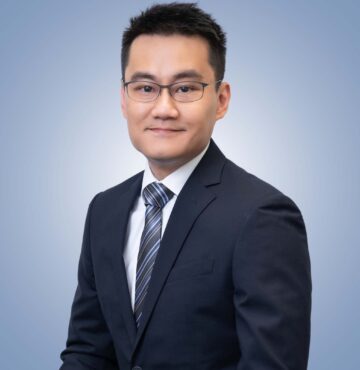
我們的團隊由交易服務董事總經理 馬志堅領導,深度參與香港智慧財產權估值框架的持續發展。馬志堅代表英國皇家特許測量師學會(RICS),就政府「專利估值支援先導計劃」的估值指引提供諮詢與制訂意見。此一前沿領導地位確保我們的客戶能夠受惠於現今最為先進、具權威性且市場領先的估值方法。
Kenneth 自 2025 年初起一直積極參與香港知識產權融資的發展工作。作為英國皇家特許測量師學會(RICS)的代表,他一直與商務及經濟發展局及知識產權署保持緊密交流,就監管沙盒框架下的估值事宜及公平估值指引提供意見,並曾就知識產權署正在編製的估值指引提交專業建議。
[Pilot Patent Valuation Support Scheme, Guidelines for Quantitative IP Valuation Reports, RICS] (27 May 2026)