



智慧财产权(IP)估值
释放无形资产的真正价值已不再只是一项会计工作。创新型企业越来越意识到,利用其智慧财产权来实现策略性增长、融资和竞争优势的潜力。
智慧财产权(IP)的管理与估值已成为全球商业日益重要的环节。对于许多创新驱动型企业(特别是在生物科技、电子和科技领域)而言,专利、商标和版权等智慧财产权是其最具价值的资产。然而,由于缺乏传统的实体抵押品,这些企业经常面临「融资缺口」。
在大华国际(香港),我们的交易与估值业务团队提供全面且独立的智慧财产权估值服务,助企业更轻松地释放资金、维持稳健的合规框架,并有效应对各项企业交易。
驾驭香港的智慧财产权融资沙盒
香港的金融环境正在迅速发展以支援创新。2025年12月,香港金融管理局(金管局)联同商务及经济发展局(商经局)及知识产权署,推出了「智慧财产权(IP)融资沙盒」。此项举措为银行、估值师和中小企业提供了一个风险可控的环境,以测试以智慧财产权作抵押的借贷安排。
此外,随着政府提出「专利估值支援先导计划」,合资格的中小企业将获得庞大的财务资助,以委托专业的智慧财产权估值服务。大华国际(香港)已作好充分准备,全力协助企业善用这些政府措施,在创新型中小企业与参与融资机构之间担当起关键的信任桥梁。
在为期两年的「专利估值资助计划」下,符合资格的香港中小企可获最高港币80,000元的配对资助,以支付专利估值服务费用。申请企业须持有至少一项经实质审查后获授权的专利,而透过原授专利制度(Original Grant Patent)获批香港标准专利的持有人将获优先考虑。该计划旨在协助企业更有效评估及释放其知识产权价值,为融资、商业合作、技术转让及业务发展提供支持。
我们的智慧财产权估值服务
我们与各行各业的企业合作,将其构想复杂且「无形」的价值,转化为银行、投资者和监管机构所信赖的清晰货币表征。我们的智慧财产权估值服务涵盖以下四大核心领域:
-
智慧财产权融资估值: 提供独立且获普遍认可的估值报告,专门旨在满足参与「智慧财产权融资沙盒」之银行的信贷评估要求。
-
并购与交易: 无论您是筹集发展资金还是成立合资企业,我们的专家团队都会对技术、品牌资产和客户关系进行公允价值评估,以实现交易价值最大化。
-
财务报告与税务合规: 我们为财务报告(例如购买价格分摊、减值测试)提供稳健的估值服务,严格符合香港交易所上市规则、证监会指引以及国际会计准则。
-
诉讼与争议解决: 凭借我们的专家证人经验,我们为涉及智慧财产权的股东纠纷、家事案件及侵权诉讼提供坚实的估值支援。

我们的知识产权估值指引
我们的交易服务团队已编制有关香港知识产权融资的知识产权估值指南。第一版内容超过30页,介绍香港知识产权融资的运作模式、知识产权估值的用途,以及如何透过收益法、市场法及成本法进行估值评估。指南亦以两个案例完整示范估值流程,包括一项透过原授标准专利制度获授的香港标准专利,以及一个采用市场法进行估值的卡通角色,并展示相关假设及敏感度分析。当中有两个部分特别着重实务应用而非阅读参考,包括一系列涵盖银行、企业拥有人及估值师之间常见问题的问答,以及一份资料要求清单,协助企业在估值工作开始前准备所需资料。随着监管沙盒、先导计划及市场实务持续发展,我们将定期更新本指南内容。欢迎提出宝贵意见及建议,如欲索取指南副本,欢迎与我们联络。
阅读完整指南,请 按此.
以专利作抵押在香港取得融资是否可行?
可行。自 2025 年 12 月起,参与香港金融管理局知识产权融资沙盒(IP Financing Sandbox)的银行一直在测试以知识产权作抵押融资的完整流程,包括核实知识产权权利、取得独立估值、进行信贷审批,以及就知识产权设立抵押安排。银行仍会根据自身的信贷评估准则作出贷款决定,而知识产权估值则是相关决策过程中的其中一项参考因素。
什么是知识产权融资沙盒?
风险可控的试行环境,由香港金融管理局联同商务及经济发展局及知识产权署于2025年12月推出。参与银行可在该平台上测试以知识产权作为抵押品的融资流程,涵盖专利、商标及版权等知识产权资产。该计划尤其针对拥有丰富知识产权资产但缺乏实体抵押品的中小企业,协助其探索及获取更多融资机会。
政府是否提供知识产权估值相关资助?
是的。根据「专利估值支援计划」(Pilot Patent Valuation Support Scheme),符合资格的香港中小企可于为期两年的计划内,就专利估值获得最高80,000港元的配对资助。申请企业必须持有最少一项经实质审查后获授的专利,而透过原授标准专利制度取得香港标准专利的持有人将获优先考虑。
哪些类型的知识产权可以进行估值?
专利及技术、商标及品牌、版权及内容、软件、注册外观设计、商业秘密及专有技术(Know-how)、授权权利以及客户关系等,均可进行估值。对融资而言,关键不在于知识产权的类别,而在于相关权利是否存在、拥有权归属、受保护的司法管辖区,以及其如何创造经济价值及产生收益。
知识产权估值实际上是如何进行的?
透过三种估值方法中的一种或多种进行评估:收益法、市场法及成本法。对于已能产生收入的知识产权,收益法通常是最常采用的方法,常见技术包括权利金节省法(Relief from Royalty Method)、多期超额收益法(Multi-Period Excess Earnings Method)以及有无比较法(With-and-Without Method)。市场法则需要参考可比交易资料,但由于专利相关的可比交易通常较为有限,因此在实务上应用较具挑战性。成本法一般作为交叉验证的辅助方法,而非最终估值结论的主要依据。
哪些因素最能影响知识产权的价值?
三项关键因素往往最需要专业判断。首先是经济使用年期,其期限通常较法定保护期为短。其次是权利金率,主要参考可比授权交易资料,并透过利润分配分析进行验证。最后是折现率,其计算一般以企业资本成本为基础,再加入反映相关知识产权特定风险的风险溢价。
我们需要您提供哪些资料?
注册证书及续期纪录、发明人及承包商签署的权利转让文件、相关产品及授权所产生的收益资料、现有授权协议、研发及维护成本、商业化计划,以及任何争议或诉讼的相关资料,均是知识产权估值过程中的重要参考文件。我们的指南载有完整的资料要求清单,企业可在估值工作开始前逐项准备,以提升估值流程的效率。
完成知识产权估值需要多长时间?
一般而言,在收到完整资料后约需三至四星期完成估值工作。如银行的融资时间表有较紧迫的要求,我们亦可配合较早的交付期限。
银行会按照估值金额全数提供贷款吗?
不会。估值金额并不等同于贷款金额。银行会根据自身的贷款价值比率(Loan-to-Value Ratio)厘定贷款额度,并同时考虑借款人的现金流状况及其他可提供的抵押品。银行亦会评估有关知识产权的变现能力、权属链(Chain of Title)的完整性、权利受保护的司法管辖区,以及是否涉及任何争议或诉讼。
估值结果是单一金额还是一个估值范围?
我们提供的是单一估值结论,以便银行在此基础上评估贷款安排。同时,我们亦会进行敏感度分析,说明估值结果在多大程度上受关键判断及假设因素影响。值得注意的是,敏感度范围较窄并不一定代表估值质量较高或结果较佳。
我们最有价值的知识产权并未反映于资产负债表上,这会有影响吗?
不一定。 根据《香港会计准则》第38号(HKAS 38)第63段的规定,企业自行建立的品牌、报章刊头(mastheads)、客户名单及其他类似项目均不得确认为无形资产。因此,即使某项知识产权对企业具有重大价值,其账面价值亦可能为零。正因如此,贷款机构在评估融资申请时,通常会依赖独立专业估值报告,而非单纯参考企业财务报表中的账面价值。
估值是根据哪些准则进行的?
主要包括《国际估值准则》(International Valuation Standards,IVS),其中无形资产的估值由 IVS 210 规范,以及《RICS 全球估值准则》(RICS Global Standards)。由于 IVS 并未就知识产权制定独立准则,因此知识产权一般被视为无形资产的一个类别,并按照无形资产的相关估值准则进行评估。
大华国际(香港)的优势
我们的估值专家将「估值」提升至更高层次。我们出具独立报告,严格遵守全球估值道德规范与程序,包括《国际估值准则》(IVS)及英国皇家特许测量师学会全球标准(《红皮书》)。
透过结合我们深厚的行业知识与香港不断演进的智慧财产权融资生态系统之实践经验,我们能提供兼具本地专业与跨境能力的服务,全程支援您的业务生命周期。
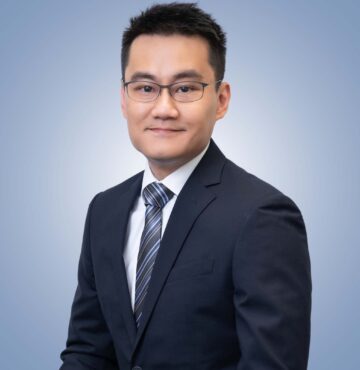
我们的团队由交易服务董事总经理 马志坚领导,深度参与香港智慧财产权估值框架的持续发展。馬志堅代表英国皇家特许测量师学会(RICS),就政府「专利估值支援先导计划」的估值指引提供咨询与制订意见。此一前沿领导地位确保我们的客户能够受惠于现今最为先进、具权威性且市场领先的估值方法。
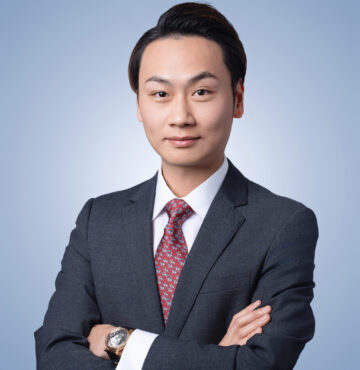
Kenneth 自 2025 年初起一直积极参与香港知识产权融资的发展工作。作为英国皇家特许测量师学会(RICS)的代表,他一直与商务及经济发展局及知识产权署保持紧密交流,就监管沙盒框架下的估值事宜及公平估值指引提供意见,并曾就知识产权署正在编制的估值指引提交专业建议。
[Pilot Patent Valuation Support Scheme, Guidelines for Quantitative IP Valuation Reports, RICS] (27 May 2026)